What a Helium Leak Detection Test Is
A helium leak test, often called tracer gas testing, uses a light gas that escapes through tiny holes. The plumber drains the suspect pipe, fills it with a gas mix and uses a sensitive sniffer at the surface to find where the gas comes through. The gas is harmless and non-flammable in the mix used for plumbing.
Because helium atoms are small and light, the gas rises through concrete, soil and flooring. A detector above the leak picks up the strongest signal directly over the hole. That lets the plumber mark a spot a few inches wide.
Why Use It Instead of Listening Gear
Acoustic listening picks up the hiss of water escaping under pressure. It works well on larger leaks and on metal pipe. It struggles with small pinhole leaks, plastic pipe and noisy environments. A tracer gas test does not depend on sound.
| Method | Best for | Weak spot |
|---|---|---|
| Meter test | Confirming that any leak exists | Does not locate it |
| Acoustic listening | Pressurized leaks in metal pipe | Plastic pipe and tiny leaks |
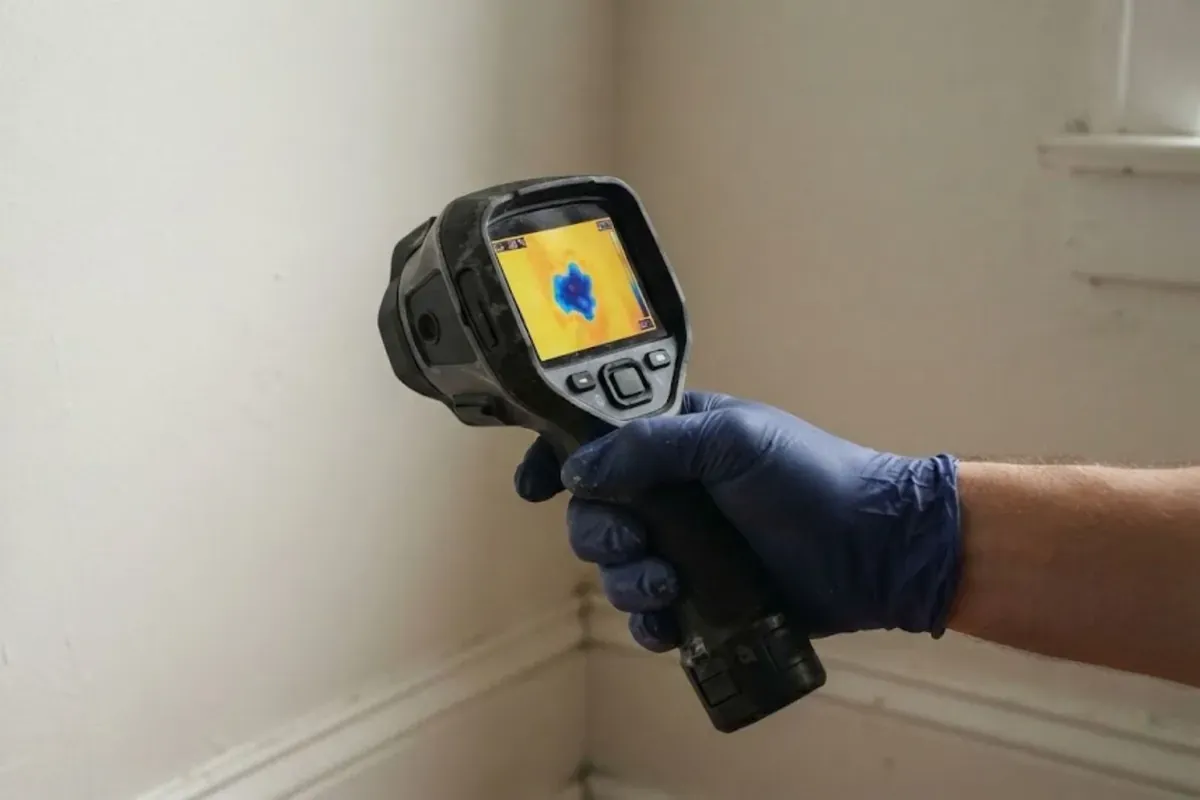
| Thermal imaging | Hot-water lines and wet materials | Cold-water leaks |
| Tracer gas (helium mix) | Small leaks in drained pipe, drain lines | Needs the line drained and sealed |
| Pressure test | Narrowing which section leaks | Does not give the exact spot |
How the Test Goes, Step by Step
Isolate the line
The plumber closes valves to separate the suspect pipe from the rest of the system.
Drain and cap
The section is drained and capped so gas can fill the pipe.
Fill with tracer gas
A mix of hydrogen and nitrogen, sometimes called forming gas, or a helium mix is pushed in at low pressure.
Sniff the surface
A handheld detector moves over floors and walls to find where gas escapes.
Mark and confirm
The strongest reading is marked and checked with a second pass.
The process takes a few hours on a typical home. Some leaks are confirmed in minutes once the line is filled. Others need several passes in different rooms.
Hidden Leak Suspected?
Call and share your meter reading. A plumber can plan the right test.
Where Tracer Gas Works Well
- Under-slab supply lines where acoustic gear gives a vague answer.
- Drain and waste lines that leak into soil or a slab.
- Pipes behind tile or cabinets.
- Plastic pipe that does not carry sound.
- Pool, spa and irrigation lines on larger properties.
A drain line that leaks wastewater into the slab smells and stays damp but does not show up on a water meter. Tracer gas is one way to find it. Our leak detection service uses it alongside other tools.
Where Other Methods Win
If the leak is large and in a pressurized supply line, listening gear is faster. If the leak is a hot-water line under tile, a thermal camera shows warm patterns without any gas. Experienced plumbers choose by the symptoms, and they often use two methods to confirm.
Moncks Corner Notes
Moncks Corner gets about 52 inches of rain a year, and the soil near the Cooper River stays moist. Wet soil can mask a small leak, since the ground is damp already. A tracer gas test does not care whether the soil is wet.
A high water bill is a common first clue. Your water utility, the Moncks Corner Public Works Commission or Berkeley County Water and Sanitation, can tell you whether your usage changed. Take a photo of the meter dial before you call.
After the Leak Is Found
Finding the leak is half the job. The plumber then explains the repair options, which may include a spot repair through the floor, a reroute or a new section of pipe. If the leak is in the floor slab, see our page on slab leak repair for how those options work.
Residents of Goose Creek and nearby areas can reach us through the Goose Creek plumbing page.
What to Do Before the Appointment
- Take photos of the water meter reading and note the time.
- Close the main valve and see if the meter keeps moving.
- Clear furniture from the suspected area.
- Note any warm spots, damp areas or sounds.
Preparing the House for a Tracer Gas Test
Clear the area where you suspect the leak, because the plumber needs to run a sensor across the floor. Remove loose rugs and move light furniture. Tell the plumber about any recent plumbing work, previous repairs or known water stains.
Ventilation also matters. Drafts disperse gas and can weaken the reading. The plumber may ask you to turn off fans and close windows near the test area for a short time. The test itself is quiet and non-invasive.
What a Result Looks Like
The detector gives a number and a beep that rises as it nears the strongest reading. The plumber marks the peak and checks the area around it to rule out a false reading caused by gas traveling along a pipe or a crack. A confirmed leak is marked with tape or chalk and photographed for your records.
A result of no leak is useful too. It rules out the tested line and sends the plumber to the next suspect, such as a fixture, a valve or a different branch.
How Long a Leak Can Go Unnoticed
A pinhole leak under a slab can run for months before it shows. The water drains into the soil, so floors stay dry while the meter quietly turns. That is why a rising bill with no visible cause deserves a test and not a shrug. Early detection keeps the repair small and keeps the soil under your slab from washing out.
Standards and Sources
The EPA's WaterSense program estimates that household leaks can waste nearly 10,000 gallons of water each year, which is why even small leaks are worth finding. Tracer gas procedures follow the equipment maker's guidelines.
Helium Leak Detection Questions
The mixes used in plumbing are non-toxic and non-flammable. The plumber follows the manufacturer's guidance and ventilates the area.
It can place a leak within a few inches when the line is properly sealed and the surface is accessible.
The line is drained first, so the gas can fill it. The plumber isolates the section.
No. Pinpointing comes first. The plumber explains the repair before cutting.
Often a few hours for a typical home. Large or complex properties take longer.
Some policies cover detection when a covered leak is found. Ask your agent before work starts.