What Heat Tape Is
Heat tape, also called heat cable, is an electric cable that wraps around a water pipe and warms it. Some types run at a constant heat. Self-regulating types raise their output as the temperature drops and ease off as it warms, which saves power and lowers the risk of overheating.
It is not a heater for the whole pipe system. It protects the section it is wrapped around. A pipe that runs past the tape is only as protected as the tape's length.
Where Heat Tape Makes Sense
- Exposed pipes in an unheated garage.
- Supply lines in a crawlspace without insulation.
- Attic pipes near eaves.
- Outdoor pipe sections with no way to bury them.
- The inlet line to a well pump or a water treatment unit.
Pipe in an insulated interior wall rarely needs it. Pipe against a cold exterior wall may. If a pipe has frozen before, that is the best clue.
Heat Tape Types Compared
| Type | How it works | Good for | Watch for |
|---|---|---|---|
| Constant wattage | Same heat output at all times | Short runs, with a thermostat | Overheating if overlapped |
| Self-regulating | Output rises as it gets colder | Most home pipes | Needs the right pipe material rating |
| Thermostat controlled | Turns on near freezing | Occasional use | Sensor placement matters |
Always read the label for the pipe types it is rated for. Metal pipes and plastic pipes need different products. Never cross or overlap constant-wattage tape on itself.
Pipe Froze or Split?
Call the 24/7 line. A plumber can be sent to your Moncks Corner address.
Safe Use Rules
- Follow the manufacturer's instructions exactly, including length limits.
- Plug into a ground-fault protected outlet.
- Do not use damaged or old tape.
- Do not cover tape with insulation unless the label allows it.
- Never cross or overlap constant-wattage tape.
- Replace tape that is cracked, burned or discolored.
Heat tape is a fire risk when misused. Old or damaged tape is the usual cause. If your house has heat tape from a previous owner, inspect it each fall, test it and replace it if it looks worn. A burned patch or exposed wire means it should be removed.
What to Do Instead or Alongside
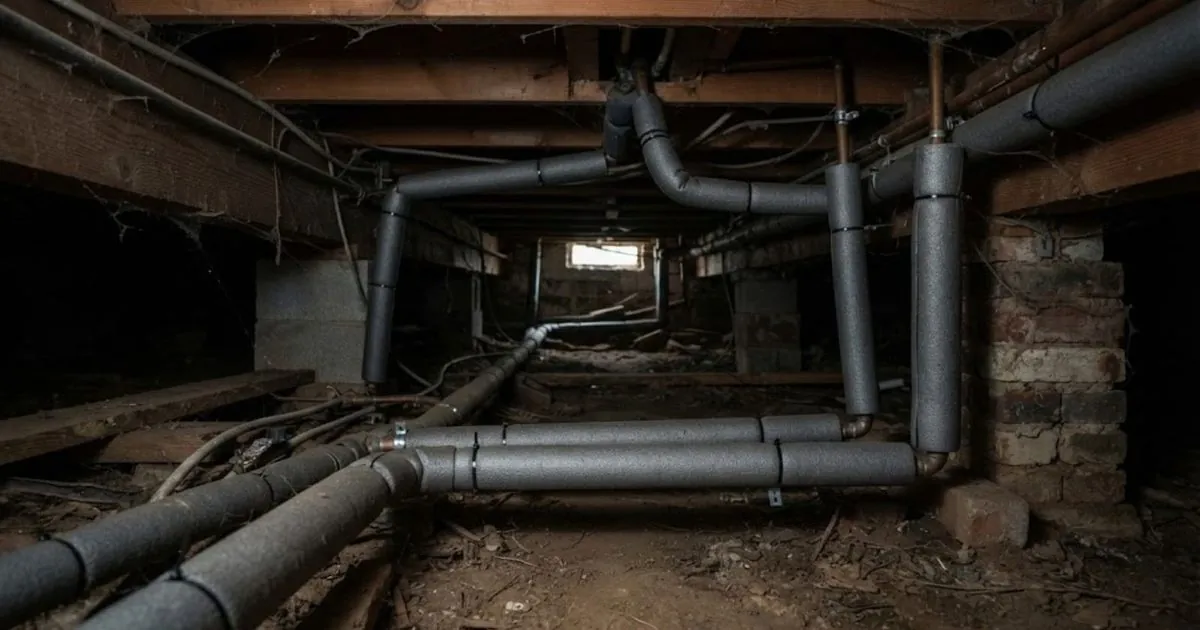
Foam pipe insulation costs little and works for most exposed pipes. Sealing air leaks in a crawlspace or garage helps. In a cold snap, letting a faucet drip keeps water moving. Opening cabinet doors lets warm air reach pipes under sinks.
Moncks Corner Notes
The record low in Moncks Corner is 11 degrees Fahrenheit, though most winters stay mild. Because freezes are rare, many houses have no plan for them. A single cold night with an unprotected garage line can cost more than a roll of insulation and a heat cable together.
The town gets about 52 inches of rain a year and sits near sea level, so crawlspaces stay damp. Moisture and heat tape are a bad combination if the tape is not rated for it. Check the label for wet-location use.
If a Pipe Freezes Anyway
Open the faucet
Open the nearest faucet so steam and water can escape as the ice melts.
Apply gentle heat
Use a hair dryer or heating pad on the pipe. Never use an open flame.
Check for splits
Once water flows, look for leaks, wet spots and bulges.
Shut off and call
If you see a split, close the main valve and call. See our burst pipe repair page.
A pipe can split without leaking until it thaws, so check carefully. If you cannot find where the water goes, our leak detection service can help.
Planning Ahead
Before the first cold night, disconnect hoses, insulate the exposed pipe you can reach and locate your main shutoff. If you live in Goose Creek or nearby and need help, the Goose Creek page shows how to reach us.
How to Install Self-Regulating Heat Tape
Check the product
Confirm the label matches your pipe material and the maximum length you need.
Clean and dry the pipe
Wipe off dirt and moisture so the tape makes good contact.
Lay the cable along the pipe
Run it in a straight line along the underside, or spiral it as the instructions say.
Secure with the right tape
Use electrical or aluminum tape made for the purpose, as the label directs.
Plug into a protected outlet
Use a ground-fault protected outlet and test it before the cold arrives.
Test the tape each fall by feeling the cable after it has been plugged in for a few minutes. It should be warm but not hot. A cold section may be broken.
Insulation Alone or With Tape
Insulation slows heat loss but does not add heat. In a long freeze, an insulated pipe can still freeze. Tape adds heat so the water stays above freezing. For pipes in an unheated garage, the combination of foam insulation and a thermostat-controlled cable is the common approach.
Check Your Insurance and Your Outlets
Before you rely on heat tape, check that the outlet works and is protected, and that a power outage will not leave pipes unprotected. Heat tape does nothing without electricity, and a cold snap is the time when outages are likely. A plan that includes insulation and a known shutoff valve covers that gap.
If you rent your home, ask the landlord who is responsible for freeze protection before winter. A written answer saves an argument later if a pipe splits and floods a unit.
Standards and Sources
Heat cable must be installed according to the manufacturer's instructions and the National Electrical Code (NEC), including ground-fault protection. Read the label before you buy.
Heat Tape Questions
Rarely, but the record low is 11 degrees Fahrenheit. Exposed pipes in garages and crawlspaces are the ones at risk.
Self-regulating types are designed for it. Follow the label, and replace worn tape.
Only if the product label allows it. Some types require specific insulation.
Only products rated for plastic. Using the wrong type can damage the pipe.
For most mild snaps, yes. For a pipe that has frozen before, add heat tape or move the pipe.
Open a faucet, apply gentle heat and check for splits. Call a plumber if you find one.